
Desexing
Desexing is one of the most common surgeries we perform, offering long-term health and behavioural benefits for dogs and cats. It can help prevent certain cancers, reduce the risk of roaming or unwanted litters, and often leads to calmer, more predictable behaviour. Rest assured, desexing does not change your pet’s personality. They’ll remain the same loving companion you know, just with reduced risk of hormone-related issues.
Orthopaedic Surgery
Our clinic provides a range of orthopaedic procedures, including cruciate ligament repair, fracture repair and amputations for severe injuries or bone cancer. More complex cases, such as spinal surgery, may require referral to a specialist orthopaedic surgeon. We assess every patient individually and guide you through the best treatment options for their long-term mobility and comfort.
Dental Surgery
Dental disease is extremely common, affecting up to 80% of dogs and 70% of cats by age three. We offer extractions, dental cleaning and other procedures to treat painful gum disease. For ongoing care, you can support your pet’s dental health through daily brushing, dental diets and safe chew toys.
Read more about our dentistry services.
Soft Tissue Surgery
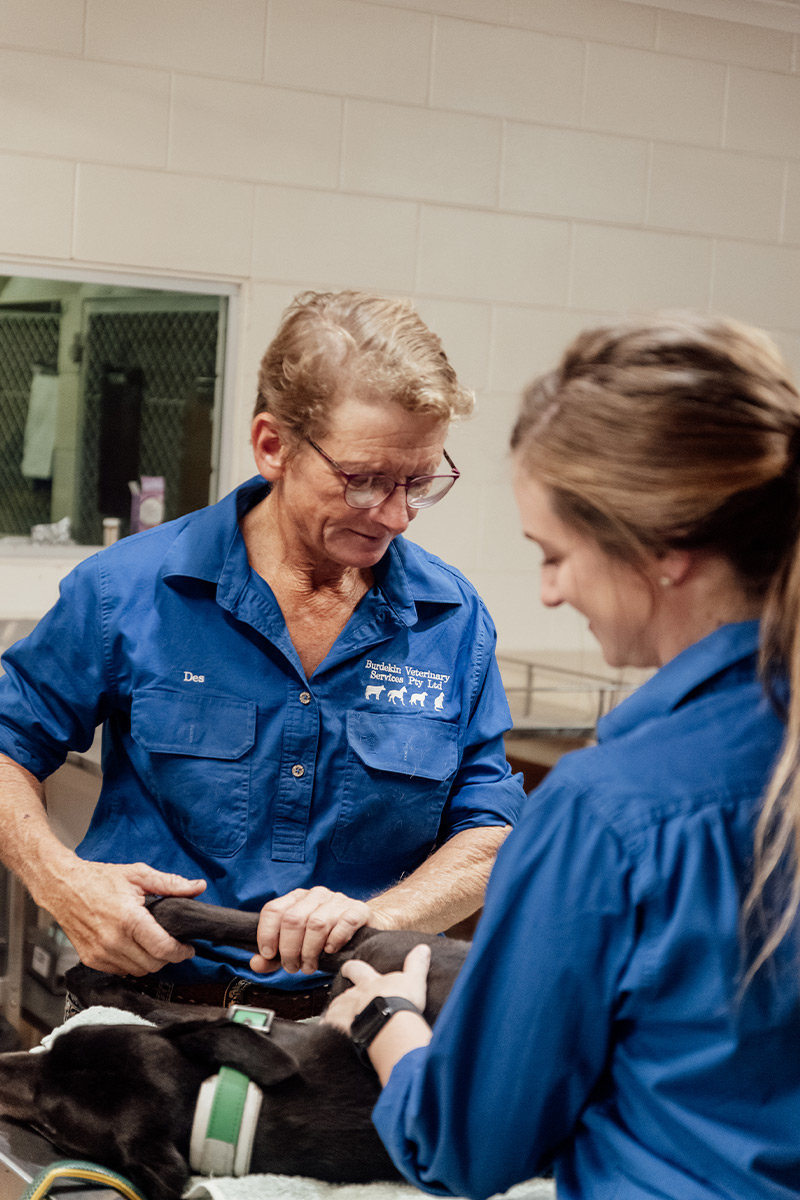
Soft tissue surgery includes all procedures not involving bones. This can range from desexing and lump removals to caesareans, biopsies, wound repairs and removal of intestinal foreign bodies. Our team performs most soft tissue surgeries in-house, ensuring your pet receives efficient, high-quality care.
Emergency Surgery
We also provide after-hours emergency surgery for critical illness or injury, including trauma, poisoning, heart-related emergencies and more. Upon arrival, your pet will be assessed promptly, and we’ll discuss expected treatment plans and costs. Some complex cases may require referral to a specialist or 24-hour emergency centre.
If you’re unsure about our after-hours arrangements, we encourage you to ask ahead of time – it’s always best to be prepared.
Read more about how we can help in the event of an emergency.
Before and After Surgery
Before surgery, pets should be fasted overnight, with access to water until 8 am on the day of the procedure. Dogs can be washed the day before, and your vet may recommend pre-anaesthetic blood tests and intravenous fluid therapy.
After surgery, your pet will need rest, limited food, and close monitoring of the surgical wound. Preventing licking is essential, and cone collars are often required. Always follow medication and check-up instructions to support smooth healing.
If you have any questions about our vet surgery services, just get in touch.
Give us a call or reach out online – we’re always happy to help.